
Let's Get Mental About Education And Prevention

Let’s Get Mental About Education And Prevention

Mental health issues are a growing concern in schools, but they’re not being addressed as they should be. Students who experience mental health problems often miss school or drop out altogether, which can lead to other problems later on in life. Here’s what you need to know about mental health issues in schools and how we can address them:

Students with mental health issues are more likely to drop out of high school.

Students with mental health issues are more likely to drop out of high school. According to the National Alliance on Mental Illness (NAMI), students who drop out of high school are more likely to be unemployed, homeless, and in jail. They also have children at a younger age than those who graduate from college or complete their bachelor’s degree program.

In a survey conducted by NAMI among middle and high school students, 50% reported being depressed at …

Let’s Get Mental About Education And Prevention Read More
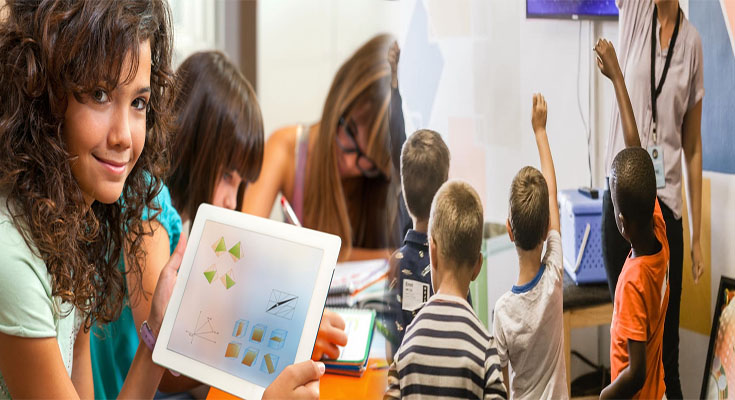
Three Kinds Of Personalized Learning

Three Kinds Of Personalized Learning

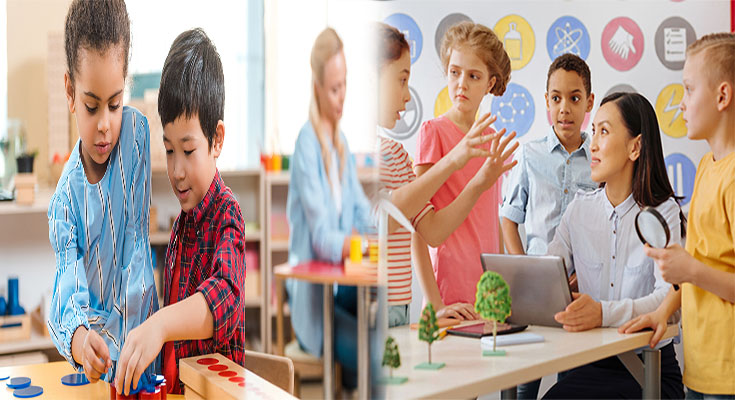
Personalized learning is a hot topic in education, but if you’re not familiar with the term, it can be hard to understand what it means. Personalized learning refers to methods of teaching and learning that are highly individualized and meet the needs of each student. What does this mean? It means instead of grouping students by age or grade level (or both), teachers can get more information about who their students are as learners so they can design instruction specific to those students’ needs.

Differentiated instruction

Differentiated instruction is a teaching method that aims to meet the needs of all learners in the classroom. It’s an effective way to teach students at different levels and with different learning styles, so they can learn effectively.

Differentiated learning

Differentiated learning is a form of personalized learning that allows students to learn at their own pace. It can also be used to better …

Three Kinds Of Personalized Learning Read More
A New Tool To Create Personalized Learning Experiences With Everyone You Know

A New Tool To Create Personalized Learning Experiences With Everyone You Know

Learning is a lonely pursuit. Sure, you can read books, listen to podcasts and watch YouTube videos. But what if you want to learn something new with someone else in real life? It’s not an easy question to answer.

A New Tool To Create Personalized Learning Experiences With Everyone You Know

A New Tool To Create Personalized Learning Experiences With Everyone You Know

This new tool is called “Mimic,” and it’s a clever way to make learning experiences personalized. Mimic allows you to create a customized lesson plan for anyone in your life; all you have to do is provide some basic information about the person, and Mimic will create an experience specifically tailored for them.

If you’ve ever worked with people who want to learn new things, you know how challenging it can be.

If you’ve ever worked with people who want to learn new things, you know how …

A New Tool To Create Personalized Learning Experiences With Everyone You Know Read More
A Hands-On Activity That Develops Interpretive Thinking

A Hands-On Activity That Develops Interpretive Thinking

Interpretive thinking is an important skill that helps children develop critical-thinking and problem-solving abilities. While there are many ways to teach interpretive thinking, one of the most effective is through a hands-on activity. In this article, we’ll look at an activity that’s easy to implement in any classroom. We’ll explore its goals, how it can be used across grades and subjects, and what makes it so effective for developing interpretive thinking in students.

The Activity

The activity is a hands-on activity that can be used to develop interpretive thinking. It is also a game and a puzzle.

The participants are given cards with different symbols on them, as well as some blank cards to make their own symbols. The goal of this game is for each player to collect as many cards as possible without having any duplicate symbols in their hand at the end of play. Players take turns …

A Hands-On Activity That Develops Interpretive Thinking Read More
The Ideal Learning Environment For Every Student

The Ideal Learning Environment For Every Student

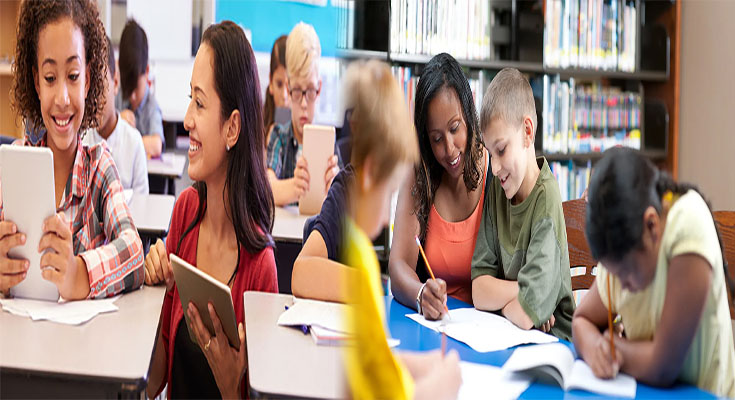
If you’ve ever been to a high school history class, or even just watched one on TV, then you’re probably familiar with the traditional classroom. Although it’s still used in many schools and colleges today, it’s not always the most effective way for students to learn. In fact, there are four different types of learning environments that might be better suited for your needs: traditional classrooms, virtual classrooms, peer-to-peer learning environments and self-paced online courses.

The Traditional Classroom

The traditional classroom is the most common place to learn, and it’s easy to see why: In this setting, students are grouped by age or grade level and expected to be on task for a set period of time. The teacher is the expert who provides instruction and answers questions; students are passive learners who are expected to listen attentively in order to absorb information from their instructor.

The traditional classroom model …

The Ideal Learning Environment For Every Student Read More